
As a TowBoatUS Captain, I have a thousand stories about what can go wrong out on the water. One thing the more dangerous stories have in common is a captain who can’t control his boat after the engine breaks down, or the sails became snarled, because he failed to successfully deploy an anchor.
The anchor is a little-talked about piece of emergency equipment that can change a perilous situation to one of predictability the moment it grabs hold of the bottom. It amazes me the number of boaters that I run into each season who say that they don’t have an anchor on board. “We weren’t planning on anchoring out,” described one unlucky boater “just heading out for our first voyage of the season.” st voyage of the season.”
Anchor setups do not have to be complicated or expensive but do have to be sized appropriately. The length of rope, length of chain, and size of anchor all must be considered for the anchor to properly hold the boat in place.
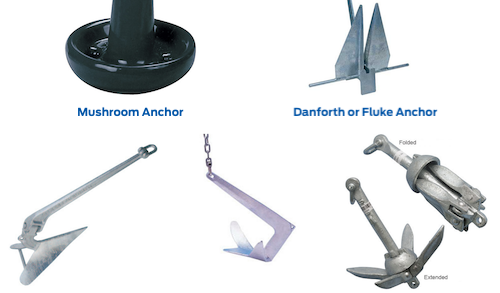
I recommend having two or more anchors on-board at all times: One anchor ready to deploy for typical, sandy bottom, sunny day situations. Another anchor, a size or two larger, as a back-up or storm anchor. You may even want a third anchor of a different style for a different bottom type.
Know your boat’s anchor size requirements, select the right style for the underwater terrain in your area, and then, know how to set the anchor so that it grabs hold and keeps your boat under control. While underway a prepared captain will always be considering, “How fast can I effectively deploy my anchor if I lost propulsion now?” BoatUS editors wrote a comprehensive tech article on anchors and anchoring requirements. You can find more online at boatus.com.